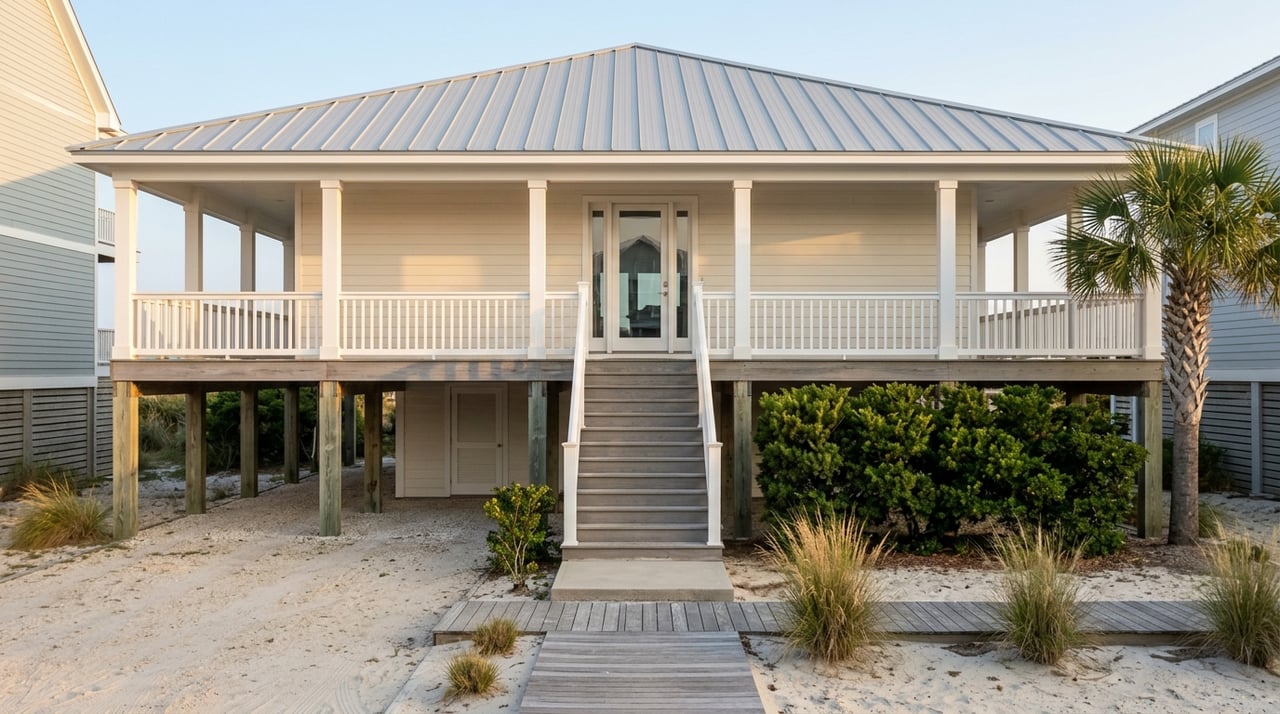
Emerald Isle Vacation Rental Buying: Key Factors to Weigh
June 18, 2026
June 18, 2026
If you are thinking about buying a vacation rental in Emerald Isle, it is easy to focus on the fun part first: beach days, family getaways, and the idea of income helping offset ownership costs. But on the Crystal Coast, the best purchase decisions usually come from looking at the numbers, local rules, and your personal-use goals together. This guide will help you weigh what matters most before you buy, so you can move forward with more clarity and confidence. Let’s dive in.
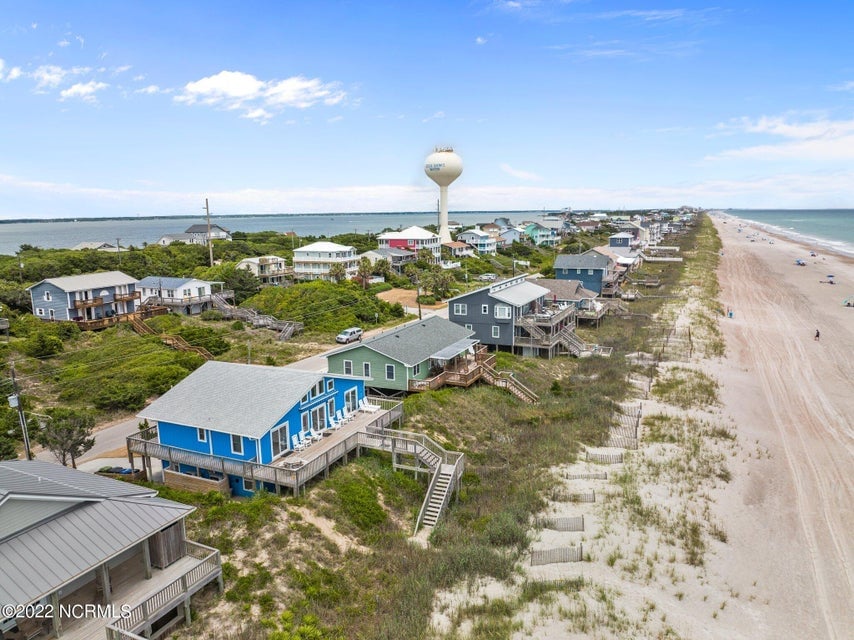
Emerald Isle is a compact barrier-island market with a small year-round population and a much larger peak-season population. The town reports 3,797 permanent residents and about 50,000 people during peak season, which gives you a sense of how tourism shapes demand.
That seasonal pattern matters when you are buying for rental income. Emerald Isle offers strong lifestyle appeal in the warmer months, with average water temperatures rising from 60 degrees in April to about 80 to 81 degrees in July and August. Average air highs also climb into the mid to upper 80s in summer, which supports the town’s role as a destination market.
Tourism spending in Carteret County adds another layer to that story. Visit North Carolina reports $743.38 million in 2024 visitor spending in the county, including $200.12 million in lodging spending. For you as a buyer, that supports the idea that vacation-rental demand here is closely tied to tourism flow.
One of the biggest things to weigh in Emerald Isle is seasonality. Local services and patterns point to a market that is heavily summer-weighted, with value in the shoulder seasons but less depth in the off-season.
For example, lifeguards are on the beach strand from April through September. Paid beach parking also runs from April 1 through September 30, and sea turtle nesting and hatching season runs from May 1 through November 15. Those details do not limit ownership, but they do help show when visitor activity is strongest.
That means you should underwrite a vacation rental here as a destination property first. If you are hoping for steady year-round rental performance that acts more like a commuter market, Emerald Isle may not fit that model in the same way.
Before you compare homes, get clear on what you want this property to do for you. The right purchase for a lifestyle investor is not always the same as the right purchase for a second-home buyer who plans to use it often.
Ask yourself a few key questions:
Your answers will affect what type of property makes sense. In Emerald Isle, personal use during the strongest rental months can directly affect income potential, so your calendar strategy matters from the start.
Local rules can have a real impact on how a property performs and how easy it is to operate. Emerald Isle’s development ordinance allows tourist or temporary residence uses in all districts and defines them as residential property rented for vacation, leisure, or recreation purposes for fewer than 30 days.
Just as important, the owner is responsible for compliance even if a property manager or other authorized agent is involved. So if you plan to hire help, you still need to understand the basic rules yourself.
Emerald Isle caps overnight occupancy at two occupants per bedroom plus two additional occupants. The bedroom count used for that purpose comes from Carteret County property tax records.
That means you should confirm the county bedroom count before closing, especially if a home has bonus spaces or flexible rooms that may not count the way you expect. A property that seems like it sleeps more people may still be limited by the official record.
Parking must stay on site, and on-street parking is not allowed for rentals. That may sound simple, but it can become a major issue for larger groups or homes with limited driveway space.
If you are comparing properties, count the practical parking capacity carefully. A home with better on-site parking may support smoother guest stays and fewer management headaches.
In R-2 districts, rentals require a two-night minimum. The ordinance also requires owners and agents to make reasonable efforts to reduce outside noise after 10 p.m., and rental agreements must prohibit commercial activities such as wedding receptions and large parties.
These rules can shape the kind of guest experience you offer and the type of bookings a property can realistically support. If your plan depends on event-style use, that is not a fit under the local ordinance.
Trash containers must be screened from street view, and pickup should happen at least weekly and more often if extra trash is created. Emerald Isle also requires annual deck inspections by a licensed professional engineer or licensed general contractor.
For a beach property with frequent guest turnover, those details matter. They add to your operating checklist and should be treated as normal ownership responsibilities, not surprise tasks.
Some Emerald Isle properties may be served by septic systems, and that can affect rental planning. The ordinance says septic-served properties must show either a septic permit or other proof that the system can handle the intended occupancy.
That is one reason due diligence matters so much before closing. If you are buying a home with rental upside in mind, you will want to verify septic status early, along with parking, bedroom count, and whether planned improvements will require permits.
The town says most new construction and many renovations require local permits. Emerald Isle Planning and Inspections can also help locate a property on flood maps and determine base flood elevation, which is especially useful as you compare options.
Vacation-rental buyers sometimes focus heavily on gross income and underestimate recurring costs. In Emerald Isle, a smart underwriting plan should include taxes, service fees, insurance, supplies, furnishing costs, and compliance-related upkeep.
For 2025-26, Carteret County’s tax rate is $0.225 per $100 of assessed value, and Emerald Isle’s general-fund rate is $0.105. The town also has an oceanfront beach-nourishment levy of $0.022.
That means the combined county-plus-town general rate is $0.33 per $100 of assessed value. On a $1 million assessed home, that works out to about $3,300 per year before mortgage and insurance, and an oceanfront property in the primary district would add about $220 more.
Carteret County levies a 6% occupancy tax on gross rental receipts, including bookings through Airbnb and VRBO, and it is due monthly by the 20th. North Carolina’s sales-and-use tax rate in Carteret County is currently 6.75%, and accommodation rentals are subject to those state and local sales taxes.
Together, that creates a 12.75% tax layer on taxable lodging revenue before other owner-imposed fees. If you plan to self-manage, you should be ready to track and remit those obligations correctly.
Emerald Isle’s 2025-26 fee schedule lists residential solid waste at $335 per unit per year. The town also requires standard 65-gallon or 96-gallon roll-out containers for residential units.
That may not seem huge on its own, but frequent turnover can make trash management more noticeable. Add in linens, bathroom supplies, cleaning supplies, and furniture replacement, and annual carrying costs can rise faster than many first-time buyers expect.
North Carolina also notes that accommodation providers pay sales and use tax on many supplies, equipment, and fixtures. In practical terms, you should budget furnishing updates and guest-ready supplies with tax included.
In a coastal market, flood risk should be a front-end buying factor. Emerald Isle states that homeowner’s insurance does not cover flood losses, and the town participates in the National Flood Insurance Program.
Flood insurance may be mandatory in Special Flood Hazard Areas for federally related financing. The town also notes a 30-day waiting period before flood policies become active, so this is not something to leave until the last minute.
Before you buy, verify the flood zone, ask about base flood elevation, and factor insurance into your monthly carrying costs. A home that looks attractive on price alone may feel very different once flood-related costs are added.
For many buyers, this is the real balancing act. The question is not simply whether an Emerald Isle home can rent, but how much personal use you want without undercutting the strongest rental weeks.
Based on the town’s seasonal patterns, the most valuable rental window is generally tied to late spring through early fall. If you want the home for your own summer trips, that may still be the right choice for your lifestyle, but it is worth being honest about the tradeoff.
A few ways to approach it include:
There is no one right answer. The best strategy is the one that matches your financial goals and how you actually want to enjoy the property.
If beach access is part of the property’s appeal, local guest rules are worth understanding. Emerald Isle says unattended beach equipment must be removed from the beach strand each night.
For oceanfront owners, the town allows up to two special exception stickers, and those stickers are for oceanfront owners rather than guests. Sea turtle nesting and hatching season also runs from May 1 through November 15, which can influence how beach gear is handled.
These may seem like small details, but they can affect guest instructions, turnover routines, and owner expectations for easy beach setup.
Before you close on a vacation rental in Emerald Isle, take time to verify the details that can change your ownership experience most.
Use this checklist as a starting point:
A beach property can absolutely be a smart lifestyle and investment move, but the best outcomes usually come from careful due diligence.
Buying a vacation rental in Emerald Isle is about more than choosing a pretty home near the water. You are really choosing an ownership strategy that needs to fit local rules, seasonal demand, carrying costs, and the way you want to use the property.
When you weigh those pieces early, it becomes easier to compare homes clearly and avoid expensive surprises later. That kind of planning can help you find a property that supports both your coastal lifestyle and your long-term goals.
If you want help comparing Emerald Isle options and weighing rental potential against personal use, Michele Moffitt can help you think through the tradeoffs with local insight and a practical strategy.
Stay up to date on the latest real estate trends.
Whether you're buying, selling, or investing, expect a seamless experience guided by market expertise, strong negotiation, and a commitment to making every step clear, confident, and stress-free.

Michele Moffitt
5420 Hwy 70 W Morehead City, NC 28557