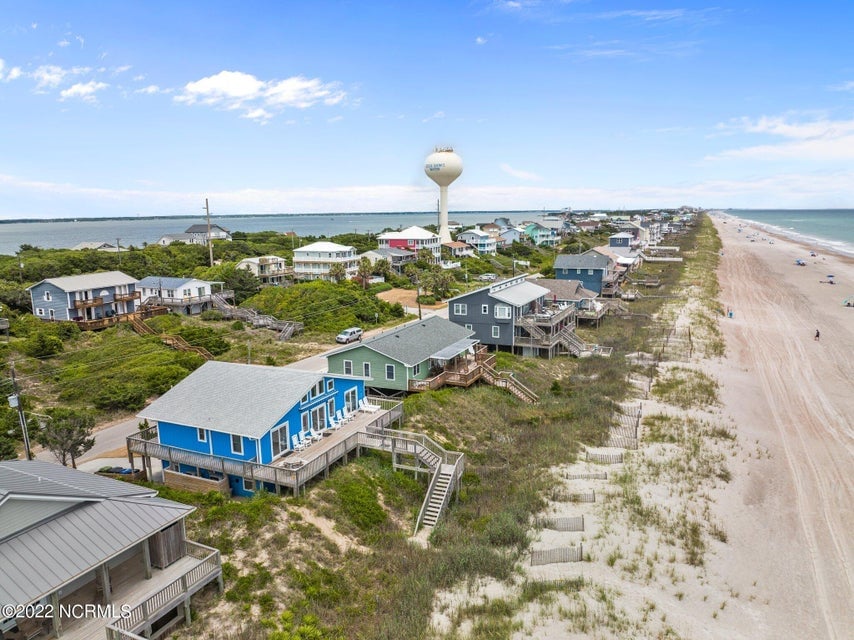
12 Hidden Beach Home Expenses Crystal Coast Buyers Should Know
Michele Moffitt July 16, 2026
Michele Moffitt July 16, 2026
Owning a home on North Carolina's Crystal Coast is a dream for many people. Whether you're looking for a vacation retreat, an investment property, or a place to enjoy retirement, there's nothing quite like waking up near the ocean.
But coastal homeownership comes with unique responsibilities that many first-time buyers don't anticipate. Understanding these costs before you buy allows you to budget confidently and avoid surprises after closing.
Here are twelve expenses every beach home buyer should consider.
1. Flood Insurance
Even if a home isn't directly on the ocean, flood insurance may still be required by your lender or recommended based on the property's location. Coverage and premiums vary depending on elevation, flood zone, and the home's construction.
2. Wind & Hail Insurance
Standard homeowners insurance often doesn't provide all the protection needed along the coast. Wind and hail coverage may be purchased separately or carry different deductibles, making it an important part of your annual ownership costs.
3. HOA Dues and Special Assessments
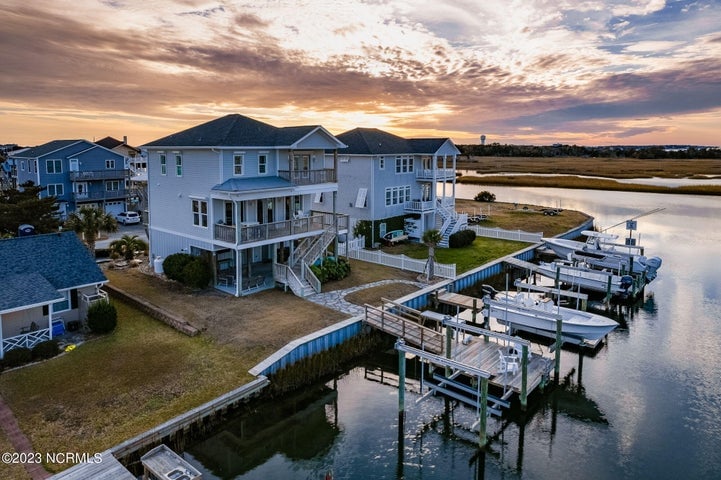
Many coastal neighborhoods and condominium communities offer outstanding amenities such as pools, private beach access, docks, elevators, landscaping, and security. Those amenities require maintenance, and owners should understand both regular dues and the possibility of special assessments for major repairs or improvements.
4. Elevator Maintenance
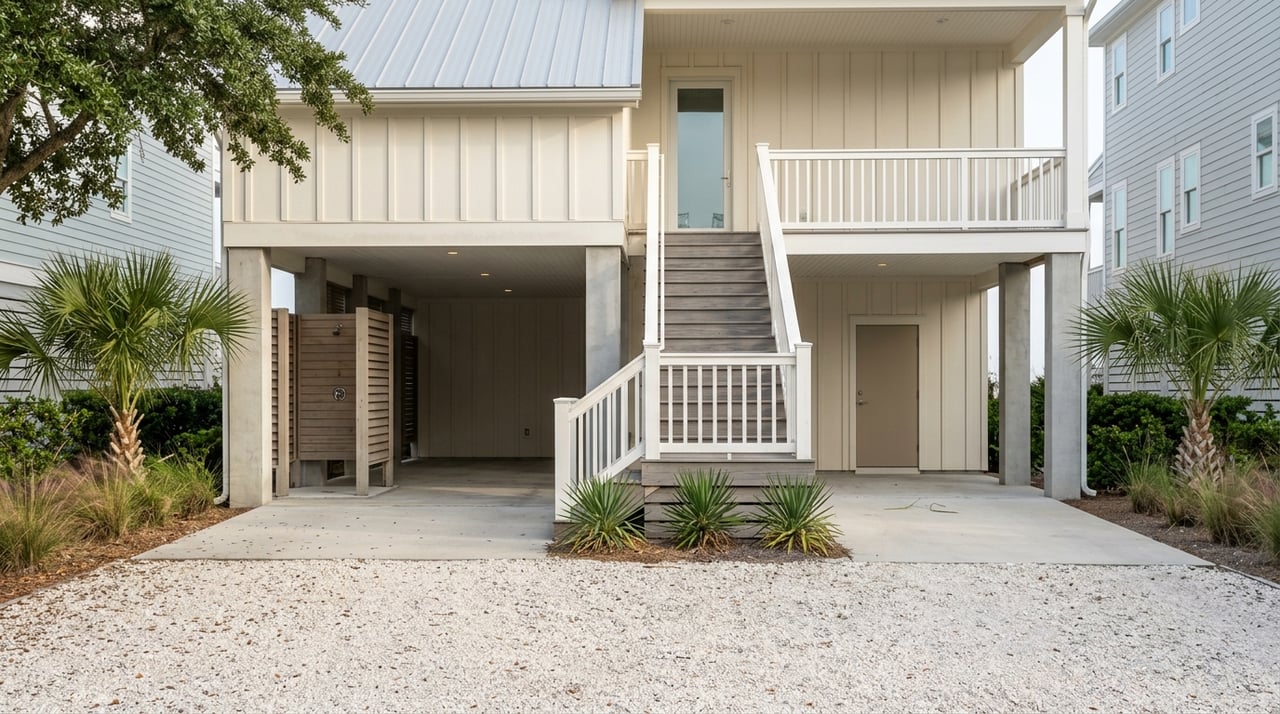
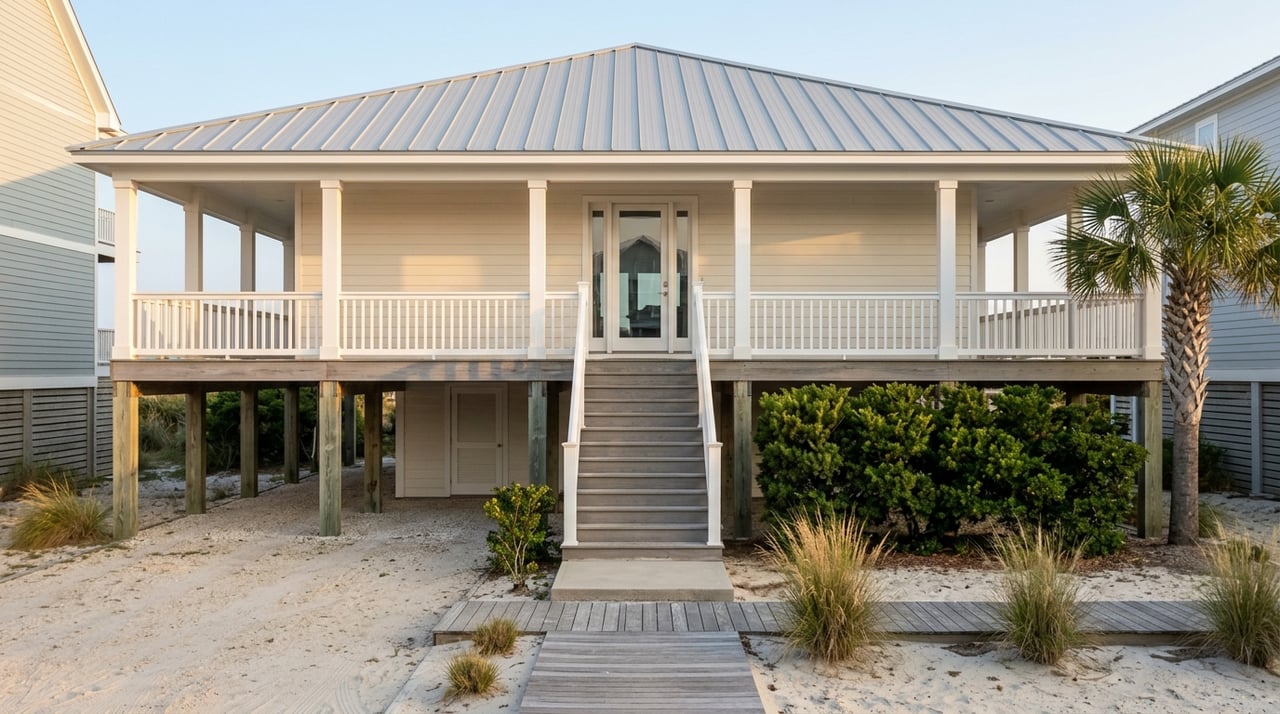
Many beach homes are elevated and include residential elevators for convenience. Like any mechanical equipment, elevators require routine servicing and occasional repairs to remain safe and reliable.
5. Salt Air Corrosion
Salt air is beautiful—but it's tough on homes. Exterior hardware, HVAC equipment, appliances, railings, outdoor furniture, and even windows can wear more quickly than they would inland. Preventative maintenance helps protect your investment.
6. HVAC Maintenance and Replacement
Cooling systems work especially hard in our humid coastal climate. Regular maintenance can extend the life of your system, but homeowners should plan for more frequent servicing than they might expect.
7. Pest Prevention
Warm temperatures and moisture create an environment where insects thrive. Routine pest treatments help protect both the structure of your home and your peace of mind.
8. Home Watch Services
If your beach home will sit vacant for weeks or months at a time, regular property inspections can identify problems such as leaks, HVAC failures, storm damage, or security concerns before they become costly repairs.
9. Beach Parking
Depending on where your property is located, you may be required to pay for public beach parking. Every coastal town has different policies, so it's worth understanding what's available before you purchase.
10. Storm Preparation
Living on the coast means preparing for hurricane season. Supplies, shutters, generators, tree trimming, propane, and post-storm cleanup should all be part of your long-term ownership plan.
11. Exterior Painting and Maintenance
Between sunshine, salt air, humidity, and coastal weather, exterior finishes require more frequent attention than homes located farther inland. Routine maintenance helps preserve both appearance and value.
12. Rental Management Expenses
If you plan to rent your property, remember to budget for management fees, cleaning, maintenance, furnishings, linens, marketing, and periodic updates to keep your home competitive in the rental market.
Stay up to date on the latest real estate trends.
Whether you're buying, selling, or investing, expect a seamless experience guided by market expertise, strong negotiation, and a commitment to making every step clear, confident, and stress-free.

Michele Moffitt
5420 Hwy 70 W Morehead City, NC 28557