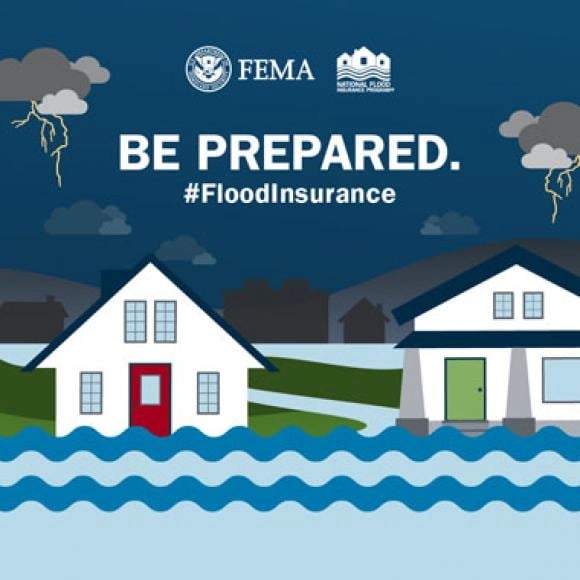
Flood Insurance on the Crystal Coast:
Michele Moffitt August 31, 2026
Michele Moffitt August 31, 2026
Living on the Crystal Coast comes with some incredible benefits—beautiful beaches, boating, waterfront communities and a coastal lifestyle that's hard to beat. But owning property near the coast also means understanding risks that homeowners in other parts of North Carolina may not think about as often.
One of those is flooding.
Whether you're purchasing a primary residence, investment property or second home in Atlantic Beach, Emerald Isle, Pine Knoll Shores, Indian Beach, Morehead City, Beaufort or elsewhere in Carteret County, flood insurance should be part of your property conversation.
And one of the biggest misconceptions I hear is:
“The house isn't in a flood zone, so I don't need to worry about flood insurance.”
The reality is more complicated.
A standard homeowners insurance policy generally does not cover damage caused by flooding.
That means homeowners can have excellent homeowners coverage and still have a significant gap when it comes to rising water and flooding.
FEMA also points out that flood risk isn't limited to properties located within areas traditionally considered high risk. In fact, FEMA reports that more than 40% of National Flood Insurance Program claims come from outside high-risk flood areas.
That's an important distinction for coastal property owners:
Lower flood risk doesn't mean zero flood risk.
Flood maps help identify a property's level of flood risk and can affect whether a mortgage lender requires flood insurance.
But a flood-zone designation shouldn't be the only factor you consider.
Here on the Crystal Coast, buyers may encounter properties in a variety of flood zones. Two homes located relatively close to one another can have very different flood characteristics because of elevation, topography and proximity to water.
When I'm helping someone purchase coastal property, understanding the property's flood-zone information is one of the items we want to identify early in the process.
If you're financing the purchase, your lender may require flood insurance depending upon the property and loan.
Even when it isn't required, it's worth having a conversation with a licensed insurance professional about the property's risk and available coverage.
Flood insurance is something to investigate before hurricane season—or certainly before a named storm is headed toward the North Carolina coast.
For National Flood Insurance Program policies, a new policy generally has a 30-day waiting period before coverage takes effect, although FEMA provides certain exceptions, including qualifying coverage obtained in connection with a mortgage loan.
In other words, waiting until a hurricane appears in the forecast may be too late.
Coastal homeowners should consider reviewing flood coverage as part of their regular annual property review.
The National Flood Insurance Program isn't necessarily the only option available to property owners.
Depending on the property and individual circumstances, private flood insurance may also be available.
When speaking with an insurance professional, consider asking for available options so you can compare things such as:
The appropriate policy depends on the individual property and owner, which is why an experienced coastal insurance professional can be an important part of your team.
If your Crystal Coast property isn't your primary residence, there's another question to consider:
Who is checking your property when you're not here?
Following a hurricane, tropical storm or significant rain event, a second-home owner may be several hours—or several states—away.
Having a plan for someone to inspect the property after a major weather event can help identify water intrusion, storm damage or other issues quickly.
Second-home owners should also keep photographs or video of the home's interior, furnishings and valuable contents and store copies of important insurance documents electronically where they can be accessed remotely.
Flood risk is also something buyers should investigate during the purchasing process.
North Carolina's Residential Property and Owners' Association Disclosure Statement includes detailed questions regarding flooding and related issues. North Carolina real estate brokers also have responsibilities regarding the discovery and disclosure of material facts, including whether a property is located in a flood zone.
As a buyer, however, you should still perform your own due diligence.
Before purchasing, consider:
Obtaining an insurance quote before your due diligence period ends can be particularly important. Insurance costs are part of the true cost of owning a coastal property, and you don't want to discover an unexpected expense shortly before closing.
Sellers can also make the transaction easier by gathering relevant property information before listing.
If you're preparing to sell, it can be helpful to have available:
Having information available early can help answer buyer questions and potentially avoid surprises later in the transaction.
Living near the water is one of the reasons so many of us love the Crystal Coast.
Understanding flood risk doesn't mean being afraid of owning coastal property. It means going into the purchase—and continuing through ownership—with the right information.
Whether you're purchasing your first beach property, adding an investment property, relocating to Carteret County or have owned a second home here for years, flood risk and insurance should be part of your overall property planning.
I help buyers and sellers navigate the details that are unique to coastal real estate—from flood zones and insurance considerations to condos, HOAs, second homes and investment properties.
Michele Moffitt
Realtor Turning coastal dreams into Crystal Coast Realty.
If you're considering buying or selling in Carteret County, I'd be happy to help you understand the property-related questions you should be asking and connect you with trusted local professionals when specialized advice is needed.
This information is provided for general educational purposes and is not insurance, legal or financial advice. Flood risk, insurance availability, premiums and coverage vary by property and policy. Consult a licensed insurance professional regarding your individual coverage needs.
Stay up to date on the latest real estate trends.
What Coastal Homeowners and Buyers Need to Know

8 Things Every Crystal Coast Second-Home Owner Should Do Before Fall
Whether you're buying, selling, or investing, expect a seamless experience guided by market expertise, strong negotiation, and a commitment to making every step clear, confident, and stress-free.

Michele Moffitt
5420 Hwy 70 W Morehead City, NC 28557