
Summer’s Almost Over
Michele Moffitt August 12, 2026
Michele Moffitt August 12, 2026
Summer on the Crystal Coast always seems to go by too quickly. The beach days, boat rides, visiting family and long evenings outside may be winding down, but for second-home owners, the end of summer is actually one of the most important times of the year for your coastal property.
Whether your home is in Atlantic Beach, Emerald Isle, Pine Knoll Shores, Indian Beach, Salter Path, Morehead City, Beaufort or elsewhere along the Crystal Coast, a little attention now can help prevent expensive surprises later.
Before you lock the door on another summer—or simply start spending less time at the coast—here are 8 things worth checking at your Crystal Coast second home before fall.
Salt air, humidity, intense sun and summer storms can be tough on a coastal home.
Walk around the exterior and look closely at:
· Roof shingles and flashing
· Siding and exterior trim
· Decking and railings
· Windows and doors
· Caulking and seals
· Gutters and drainage
· Outdoor showers
· Signs of wood rot or deterioration
· Areas where water may be collecting
Small problems can become much larger when a property sits unattended for several weeks or months.
This is also a good time to look inside for water stains, musty odors, discoloration or other signs that moisture may be getting somewhere it shouldn’t.
Moisture is something coastal homeowners need to pay particular attention to.
If your home has a crawl space, take a look—or have someone qualified inspect it—for excessive moisture, standing water, damaged insulation, wood deterioration or signs of mold.
Problems aren’t always obvious from inside the house. Catching a moisture issue early can potentially save you from a much more extensive repair later.
Your HVAC system has probably worked overtime through a hot, humid Crystal Coast summer.
Change the filters and consider having the system serviced, particularly if the home will be vacant for extended periods.
Most importantly, don’t simply turn the HVAC system off when you leave.
Maintaining appropriate temperature and humidity levels can be an important part of protecting a coastal home while you’re away. A smart thermostat or humidity monitor can also give second-home owners an extra set of eyes on the property from a distance.
It may feel like hurricane season has been underway for months, but the period from mid-August through mid-October historically sees the greatest Atlantic tropical cyclone activity, with the climatological peak around September 10.
That makes the end of summer a particularly important time to make sure your coastal property is storm-ready.
Before heading home, consider:
· Bringing in or securing outdoor furniture and décor
· Checking shutters or other window protection
· Trimming problematic limbs or landscaping
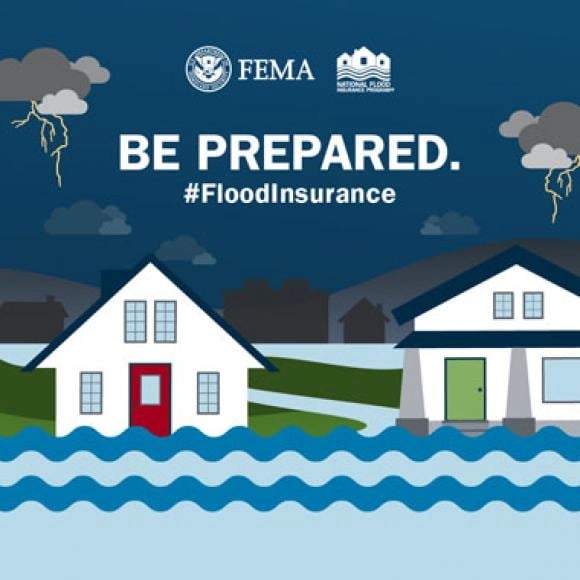
· Knowing your property’s flood and evacuation zones
· Making sure you can receive local emergency alerts
· Having a plan for who can check or secure the property if you’re several hours away
Don’t wait until a storm is approaching to figure out who has a key or how you’ll get your outdoor furniture inside.
When was the last time you actually reviewed the insurance on your second home?
Coastal properties can involve several types of coverage, and flood and wind coverage shouldn’t simply be assumed to be part of a standard homeowners policy.
It’s worth talking with your insurance professional about your current coverage and whether anything has changed since your last review.
Have you renovated the kitchen? Added a new roof? Furnished the home differently? Increased its rental use? Made other significant improvements?
Your property—and its value—may look very different than it did when you originally purchased it.
After spending a full summer in the home, you probably have a pretty good list of things you’ve been saying you’ll get to “eventually.”
Fall can be an excellent time to tackle them.
Maybe the deck needs staining. The outdoor shower needs work. The furniture is starting to show its age. The interior needs fresh paint. Or perhaps the kitchen or bathrooms are ready for an update.
If the property is a vacation rental, look at it through a guest’s eyes as well. Were there recurring comments or complaints this summer? Are there relatively simple improvements that could make the property more competitive next season?
Getting projects started during the off-season can help you avoid scrambling when spring arrives.
One of the biggest challenges of owning a second home is exactly that: you’re not always there.
Before leaving for an extended period, think through what happens when you’re gone.
Who checks the property after a major storm? Who notices if the HVAC stops working? Who catches a water leak before it becomes a major problem? Who makes sure everything is okay after an extended power outage?
Consider arranging periodic property checks and using technology such as smart thermostats, water-leak sensors, security cameras and other monitoring devices where appropriate.
The goal is simple: don’t let your first indication of a problem be the next time you walk through the door.
This one isn’t really a maintenance item—but the end of summer is a great time to think about it.
How did you use your property this year?
Did your family spend as much time here as you expected?
Are you considering renting it?
Would improvements make you enjoy it more?
Has maintaining a second property become more work than you anticipated?
Or are you thinking about moving up to a different property, buying something with better water access, finding a larger home for the family or transitioning from a second home to spending more time at the coast?
Your plans don’t have to remain the same simply because they made sense when you originally purchased the property.
Owning a home at the coast is a wonderful investment in both lifestyle and memories, but coastal properties also require a little extra attention.
Taking care of a few things at the end of summer can help protect your home through fall and winter—and make returning next spring that much easier.
And if your plans for your Crystal Coast property are beginning to change, fall is also a good time to understand what your home may be worth in today’s market.
Wondering what your Crystal Coast property is worth or whether it still fits your long-term plans? I’d be happy to provide a no-pressure property value review and talk through your options.
Michele Moffitt | Crystal Coast Real Estate
Stay up to date on the latest real estate trends.
What Coastal Homeowners and Buyers Need to Know

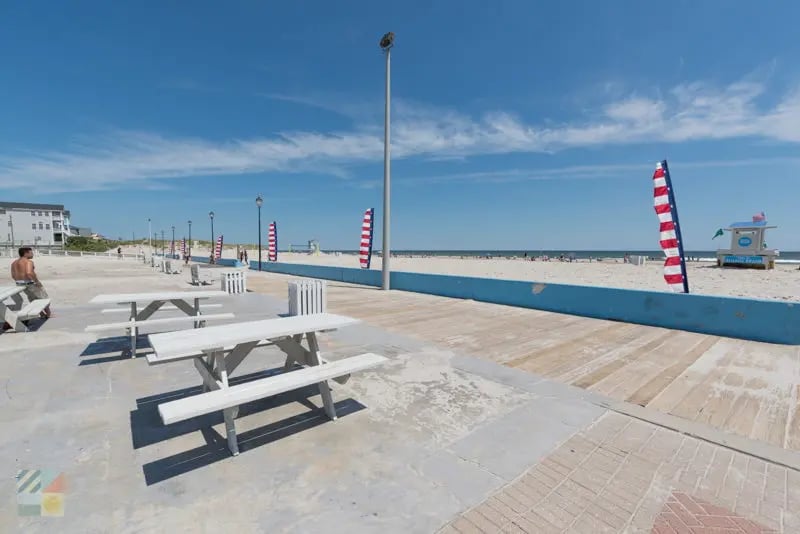
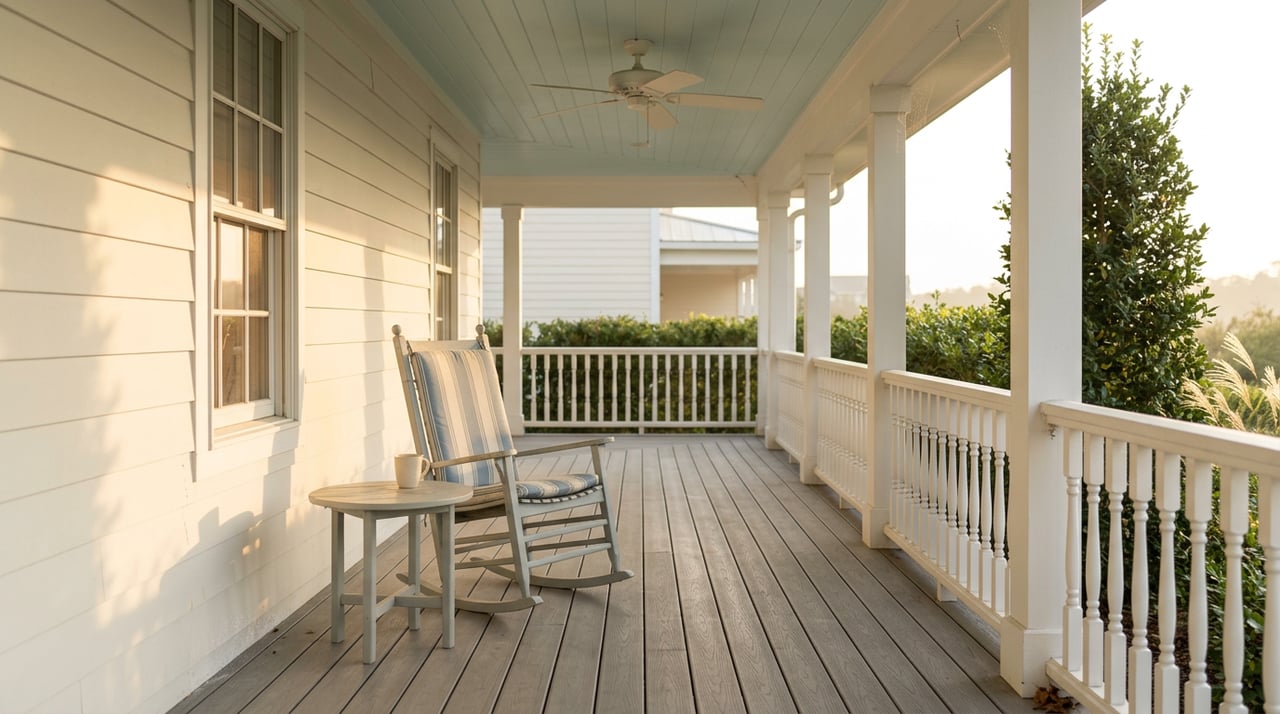
8 Things Every Crystal Coast Second-Home Owner Should Do Before Fall
Whether you're buying, selling, or investing, expect a seamless experience guided by market expertise, strong negotiation, and a commitment to making every step clear, confident, and stress-free.

Michele Moffitt
5420 Hwy 70 W Morehead City, NC 28557